

Key Takeaways
- Florida business law protects companies from unfair competition, contract breaches, and partner disputes.
- Acting early saves time, money, and business relationships.
- An experienced business attorney helps you assess risk and choose the right legal strategy.
Table of Contents
- Understanding Service Agreements for Small Business
- Essential Clauses in a Service Contract
- How to Write a Scope of Work
- Service Agreement Payment Terms Examples
- Service Agreement Template for Small Business
- Common Mistakes to Avoid When Writing Service Agreements
- When to Hire a Lawyer for Your Service Agreement
- Contract Lifecycle Management for Small Businesses
Last Updated: July 4, 2026
Understanding Service Agreements for Small Business
A service agreement is a binding contract between you and your client that outlines what you’ll deliver, when, and what happens if something goes wrong. Without one, you’re operating on handshakes and assumptions, a setup that leads to scope creep, payment disputes, and deteriorating relationships.
Small businesses lose money not because clients are dishonest, but because expectations weren’t documented. One party thinks "ongoing support" means weekly check-ins. The other thinks it means emergency-only help. Neither is wrong; they just didn’t agree in writing.
Why Your Small Business Needs a Written Service Agreement
A written service agreement protects you in three critical ways. First, it prevents scope creep by defining exactly what’s included and what’s not. Second, it establishes clear payment terms so you know when money arrives and what happens if it doesn’t. Third, it creates a legal document that holds up in court if a dispute escalates, something a text message or email thread cannot do.
The single best time to draft a service agreement is before you start work, not after problems emerge. A proactive agreement costs nothing extra but saves thousands in potential disputes.
Legal Enforceability and Digital Signatures
A service agreement written in plain language and signed by both parties is legally binding and enforceable in Florida courts. Digital signatures are fully legal in Florida under the Uniform Electronic Transactions Act (UETA). Platforms like DocuSign, PandaDoc, and Dropbox Sign create legally binding e-signatures with audit trails that prove who signed, when they signed, and that they agreed to the terms.
Essential Clauses in a Service Contract
Every service agreement needs certain clauses to be enforceable and protective.
Identifying the Parties and Scope of Services
Start by clearly naming who’s involved. Use full legal names: "John Smith dba Smith Consulting" or "ABC Corporation, a Florida limited liability company."
The scope of services is the heart of your agreement. Be specific. Instead of "website design," write "Design and develop a five-page WordPress website including homepage, about page, services page, blog page, and contact page. Includes three rounds of revisions per page."
Include what’s explicitly excluded. "This agreement does not include: SEO optimization, e-commerce functionality, email integration, or ongoing maintenance after launch." Deliverables should be concrete and measurable. Instead of "improve social media presence," specify "Create and post 12 original graphics and 24 captions across Instagram and Facebook, with posting schedule provided by client."
Payment Terms, Deliverables, and Milestones
Specify your rate clearly. For hourly work: "Services billed at $150 per hour, invoiced weekly." For fixed-fee projects: "Total project fee: $5,000, due upon completion." For retainer arrangements: "Monthly retainer: $2,000, due on the first of each month for 12 months of ongoing support."
Milestones break large projects into payment stages. For a $10,000 website redesign, require 50% upfront, 25% at design approval, and 25% at launch. This protects both parties: the client sees progress before paying in full, and you’re protected if they disappear mid-project.
Define what "completion" means. Does it mean you’ve delivered the work, or that the client has approved it? If approval is required, set a timeline: "Client has seven days to review and request revisions. Approval is deemed given if no feedback is provided within this period."
Termination, Dispute Resolution, and Liability
A straightforward termination clause might read: "Either party may terminate this agreement with seven days’ written notice. If the client terminates before completion, they owe payment for all work completed to date, calculated as a percentage of the total project fee."
Dispute resolution saves you from expensive litigation. A mediation clause requires both parties to attempt resolving disputes through a neutral third party before going to court: "Any disputes arising from this agreement shall first be addressed through good-faith negotiation. If unresolved after 14 days, disputes shall be submitted to mediation under Florida law before pursuing litigation."
Liability clauses limit what you’re responsible for if something goes wrong: "Service provider’s liability is limited to the total amount paid under this agreement. Service provider is not liable for indirect, incidental, or consequential damages."
How to Write a Scope of Work
The scope of work is the most detailed part of your service agreement. It’s where vague promises become specific deliverables.
Defining Deliverables and Project Milestones
List each deliverable with enough detail that a third party could verify whether you’ve completed it. For a marketing project, specify:
- Competitive analysis document (5-10 pages, covering 5 competitors)
- Target audience personas (3 detailed profiles with demographics, pain points, and buying behavior)
- Content calendar (12-month plan with 48 social posts, 12 blog articles, 4 email campaigns)
- Performance dashboard (monthly reporting on engagement, traffic, and conversion metrics)
Milestones are checkpoint dates tied to deliverables and payment. A typical project might have: Kickoff call and discovery documentation (Week 1), draft strategy and competitive analysis (Week 3), approved personas and content calendar (Week 6), and completed content and performance dashboard (Week 12).
Setting Clear Boundaries and Exclusions
Boundaries prevent scope creep, the silent killer of small business profitability. If you don’t explicitly exclude something, clients assume it’s included.
For a copywriting project, specify:
- Included: Writing 10 product descriptions (up to 150 words each), two rounds of revisions per description, and delivery in Word format
- Excluded: SEO optimization, graphic design, photography, website implementation, or more than two revision rounds per description
Define what happens if the client requests work outside the original scope: "Out-of-scope requests will be documented and quoted separately. Approval and payment terms will be determined before work begins."
Service Agreement Payment Terms Examples
Payment structure shapes your cash flow and client relationship.
Hourly Rates, Fixed Fees, and Retainer Models
Hourly rates work best for unpredictable work like consulting or troubleshooting: "Services billed at $125 per hour, rounded to the nearest quarter hour. Invoices issued weekly for hours worked. Payment due within 15 days of invoice date."

Fixed fees give clients certainty and protect you from underestimating: "Total project fee is $8,500 for the deliverables outlined in the Scope of Work. Payment schedule: 50% ($4,250) upon signing, 50% ($4,250) upon final delivery and client approval."
Retainer models create predictable recurring revenue: "Client retains Service Provider for 20 hours per month at $150 per hour, totaling $3,000 monthly. Retainer is due on the first of each month. Unused hours do not roll over to the following month. Additional hours beyond 20 are billed at $175 per hour."
Late Payments and Late Fees
A clear late fee clause encourages on-time payment: "Invoices are due within 15 days. Payments received after 30 days will incur a late fee of 1.5% per month (18% annually) on the unpaid balance, or the maximum rate permitted by Florida law, whichever is lower."
Specify what happens if payment is significantly overdue: "If payment is more than 60 days late, Service Provider may suspend services and/or terminate this agreement without further notice."
Service Agreement Template for Small Business
Rather than starting from scratch, use a template as your foundation and customize it for your specific business and industry.
Using Contract Templates and Contract Builders
Templates save time and ensure you don’t miss critical clauses. PandaDoc provides drag-and-drop document builders with pre-built service agreement templates.
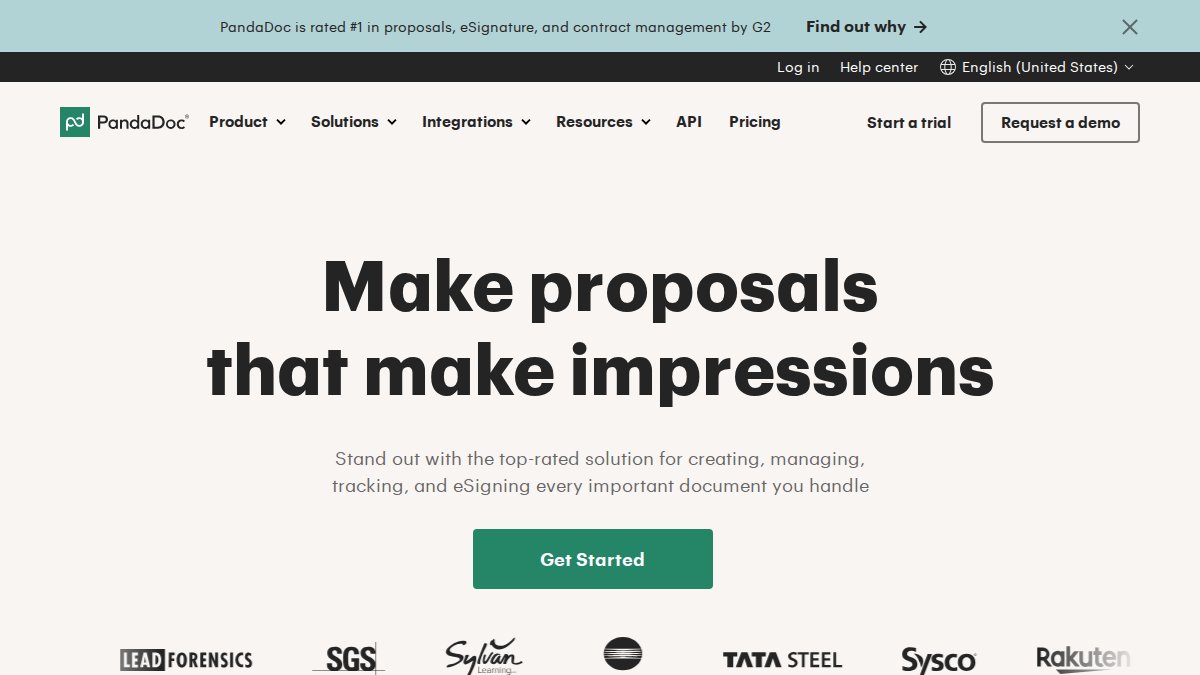
HoneyBook specializes in service agreements for freelancers and creative professionals. Bonsai offers vetted contract templates for freelancers and small agencies. Rocket Lawyer provides lawyer-reviewed templates with access to attorney advice. LawDepot is the most affordable option, offering simple templates through an interactive questionnaire.
Customizing Templates for Your Industry
Replace placeholder text with your specific deliverables. Adjust payment terms to match your business model. Add industry-specific clauses, if you’re a software developer, include intellectual property ownership language; if you’re a marketing consultant, add a confidentiality clause.
Have a lawyer review your customized template once. This one-time investment (often $300-500) protects you across hundreds of future contracts.
Common Mistakes to Avoid When Writing Service Agreements
Vague scope of work. "Website design" is not a scope. "Design and develop a five-page WordPress website with custom homepage design, about page, services page, blog functionality, and contact form" is a scope.
No payment milestones. Milestone payments protect both parties and keep cash flowing.
Missing exclusions. If you don’t explicitly exclude something, clients assume it’s included.
No revision limit. Specify how many rounds of revisions are included and charge extra for additional rounds.
Weak termination clause. Require notice periods (typically 7-30 days) so you can plan.
No late fee clause. A clear late fee encourages timely payment and compensates you for delays.
Unclear deliverable timeline. Use specific dates: "Delivered by June 15, 2026" or "Delivered within 14 days of kickoff call."
No dispute resolution clause. A dispute resolution clause saves money by avoiding court.
When to Hire a Lawyer for Your Service Agreement
Hire a lawyer if you’re entering a high-value contract (typically $10,000+). The legal review cost ($300-600) is worthwhile when the contract is worth thousands. For most small service agreements under $5,000 with straightforward scope, a customized template reviewed once by a lawyer is sufficient.
Matthew Fornaro, P.A. provides contract review and drafting services tailored to South Florida entrepreneurs and small business owners. With over two decades of experience, the firm helps business owners understand their contractual obligations and protects their interests before disputes arise.
Contract Lifecycle Management for Small Businesses
Writing a service agreement is just the beginning. Managing contracts throughout their lifecycle prevents disputes and keeps your business organized.
Store signed agreements in a centralized location, a folder on your computer, cloud storage like Google Drive, or a dedicated contract management platform. Track key dates: project milestones, payment due dates, termination dates, and renewal dates. Document performance by keeping records of work delivered, emails confirming deliverables, and client feedback.
If the client requests changes to the scope, document them in writing. Send an email: "Per our conversation, I’m adding three additional blog posts to the project scope. This increases the total fee by $1,500, due by [date]." Get written agreement before proceeding.
| Contract Task | Frequency | Responsibility | Tool |
|---|---|---|---|
| Draft and customize agreement | Per project | You or lawyer | Template or platform |
| Get client signature | Before work starts | You | E-signature platform |
| Store signed copy | Upon signature | You | Cloud storage or CMS |
| Track payment milestones | Monthly | You or accountant | Calendar or accounting software |
| Document deliverables | As delivered | You | Email or project management tool |
| Review for disputes | As needed | You | Stored agreement |
| Renew or terminate | 30 days before end | You | Calendar reminder |
A well-written service agreement is the foundation of professional client relationships and business protection. It clarifies expectations, prevents disputes, and gives you legal recourse if something goes wrong.
Start with a customized template, include all essential clauses, and be specific about scope, payment, and deliverables. The time you invest upfront saves countless hours managing disputes later.
Matthew Fornaro, P.A. helps South Florida entrepreneurs and small business owners draft, review, and manage service agreements that protect their interests. With over two decades of experience in business law and contracts, the firm provides practical guidance that prevents costly disputes and supports business growth. Contact Matthew Fornaro, P.A. today to ensure your service agreements protect your business and clarify expectations with every client.
Frequently Asked Questions
What should be included in a basic service agreement?
A basic service agreement must include the parties involved, scope of work, payment terms and conditions, deliverables with milestones, termination procedures, and dispute resolution clauses. Additionally, include confidentiality provisions, intellectual property rights, liability limitations, governing law, and an entire agreement clause. Plain language is essential for enforceability and clarity. These elements protect both the service provider and client while establishing clear contractual obligations.
Is a service agreement legally binding without a lawyer?
Yes, a service agreement can be legally binding without a lawyer if it contains all essential elements: offer, acceptance, consideration, and intent to be bound. However, small business owners should understand that DIY agreements may lack industry-specific protections or miss legal nuances. Digital signatures are legally enforceable under federal law (ESIGN Act). For complex services, high-value contracts, or specialized industries, consulting a lawyer ensures your agreement includes proper risk mitigation and complies with local regulations.
What is the difference between a service agreement and a contract?
A service agreement is a specific type of contract focused on delivering services rather than goods. All service agreements are contracts, but not all contracts are service agreements. Service agreements emphasize scope of work, deliverables, and payment for services, while other contracts might cover sales, licensing, or partnerships. Both require the same legal elements for enforceability: mutual agreement, consideration, and clear terms. The key distinction is that service agreements specifically address the performance of services and related obligations.
Can I use a service agreement template for my small business, or should I hire a lawyer?
Templates are excellent starting points for small businesses and can save significant legal costs. Reputable contract templates from platforms like LawDepot, Bonsai, or Rocket Lawyer provide legally reviewed frameworks. However, you should customize templates to match your specific services, payment structure, and industry. Hire a lawyer if your services are high-value, involve intellectual property, include independent contractors, or operate in regulated industries. A lawyer review typically costs less than fixing contract disputes later and ensures legal compliance specific to your location.
This article was written using GrandRanker


